Few destinations can make you feel the weight of history quite like Egypt.
The pyramids rise from the desert outside Cairo. Ancient temples line the Nile. Markets overflow with spices, produce, breads and sweets. Feluccas drift across the river much as sailing vessels have for generations.
But Egypt isn’t simply a place to study the past.
Egypt is alive.
Cairo’s streets pulse with energy.
Families gather around tables.
Bread is torn and shared.
Vendors serve meals that have become part of everyday Egyptian life.
Tea and coffee accompany conversation.
And behind many of those foods are stories that stretch across generations.
Egyptian cuisine reflects its geography and history. The fertile Nile Valley made grains, vegetables and legumes fundamental ingredients. Mediterranean, Middle Eastern, North African and other influences became intertwined over centuries.
You’ll find lentils.
Rice.
Chickpeas.
Fava beans.
Tomatoes.
Garlic.
Cumin.
Coriander.
Fresh herbs.
Flatbreads.
Dates.
Nuts.
Honey.
And meals built around ingredients that are often remarkably simple.
This week, we’re going to experience three very different sides of the Egyptian table.
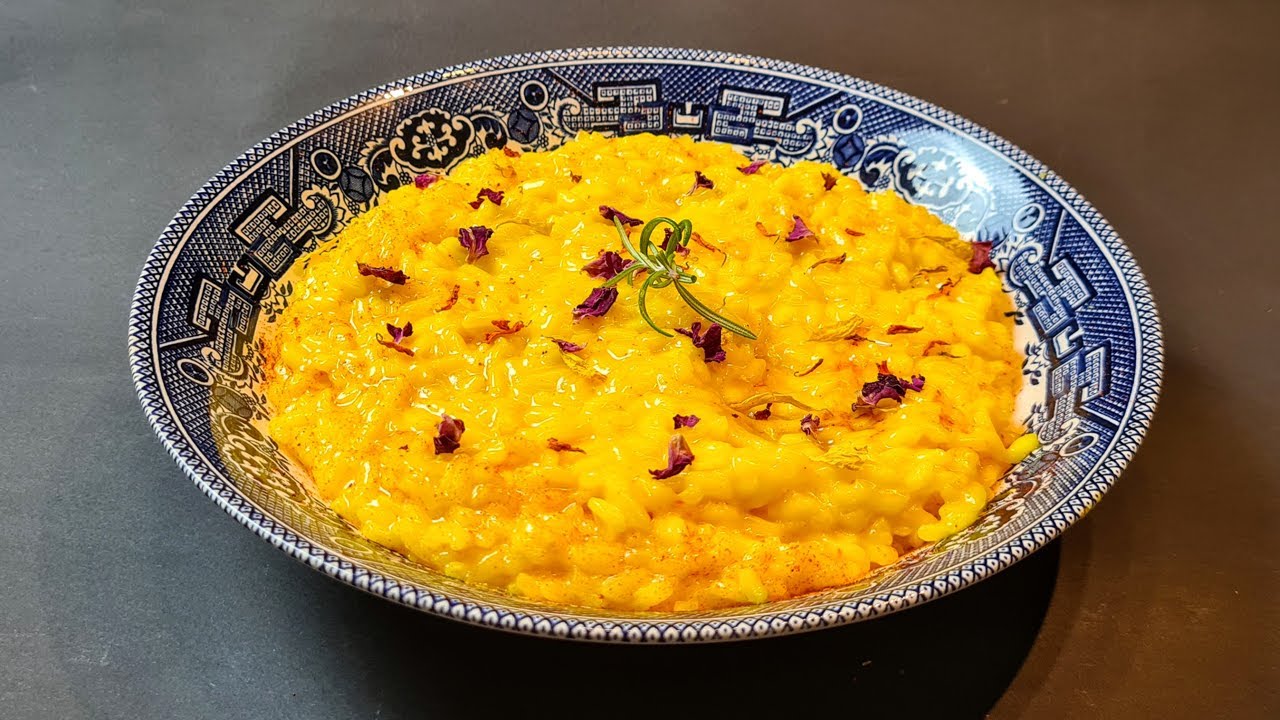
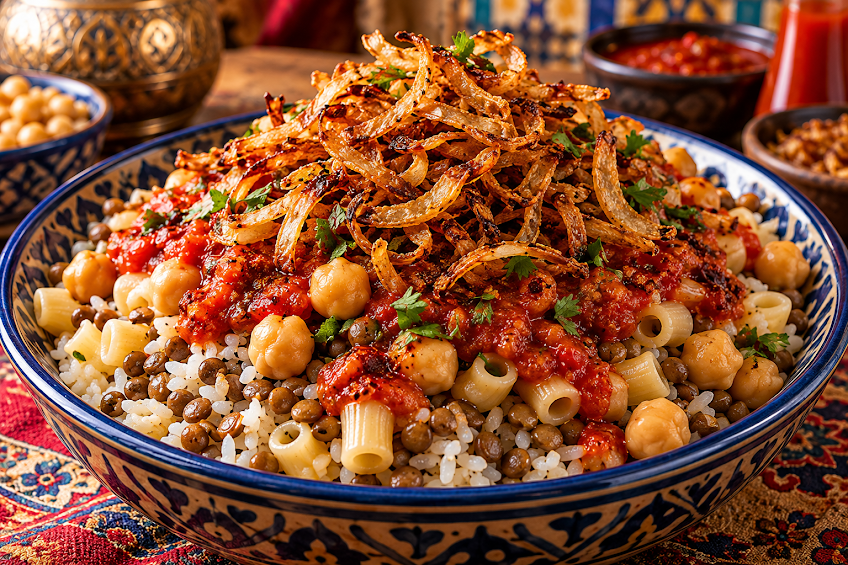
🍚 Koshari
Egypt’s legendary comfort food
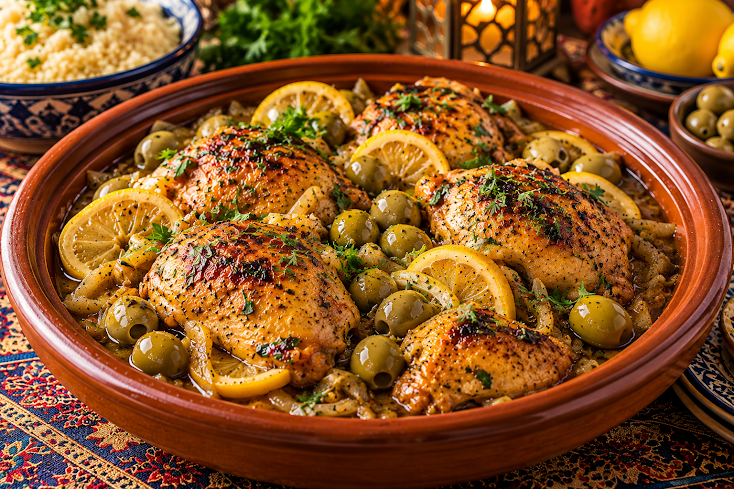
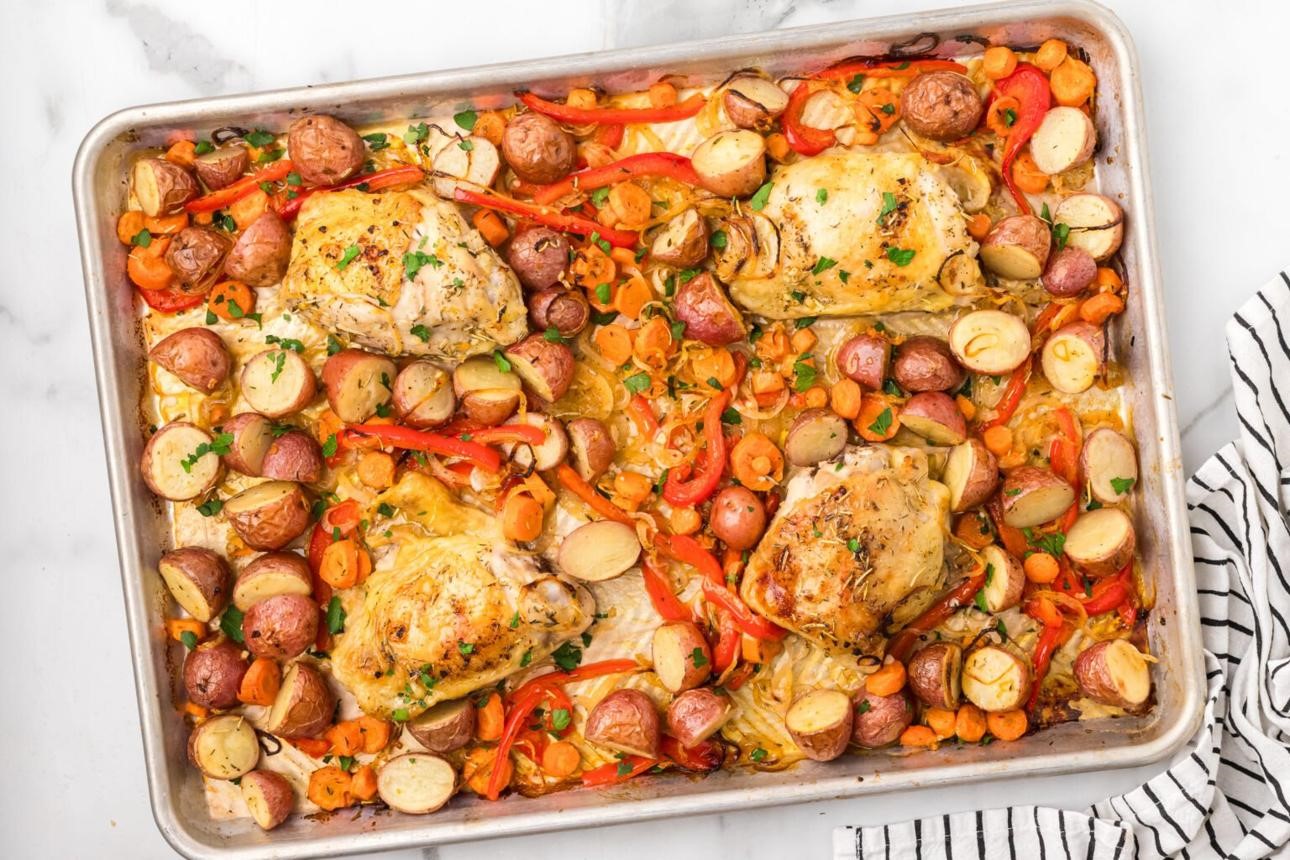
🍋 Egyptian Chicken with Lemon, Garlic & Olives
Bright citrus, warming spices and slow-cooked comfort
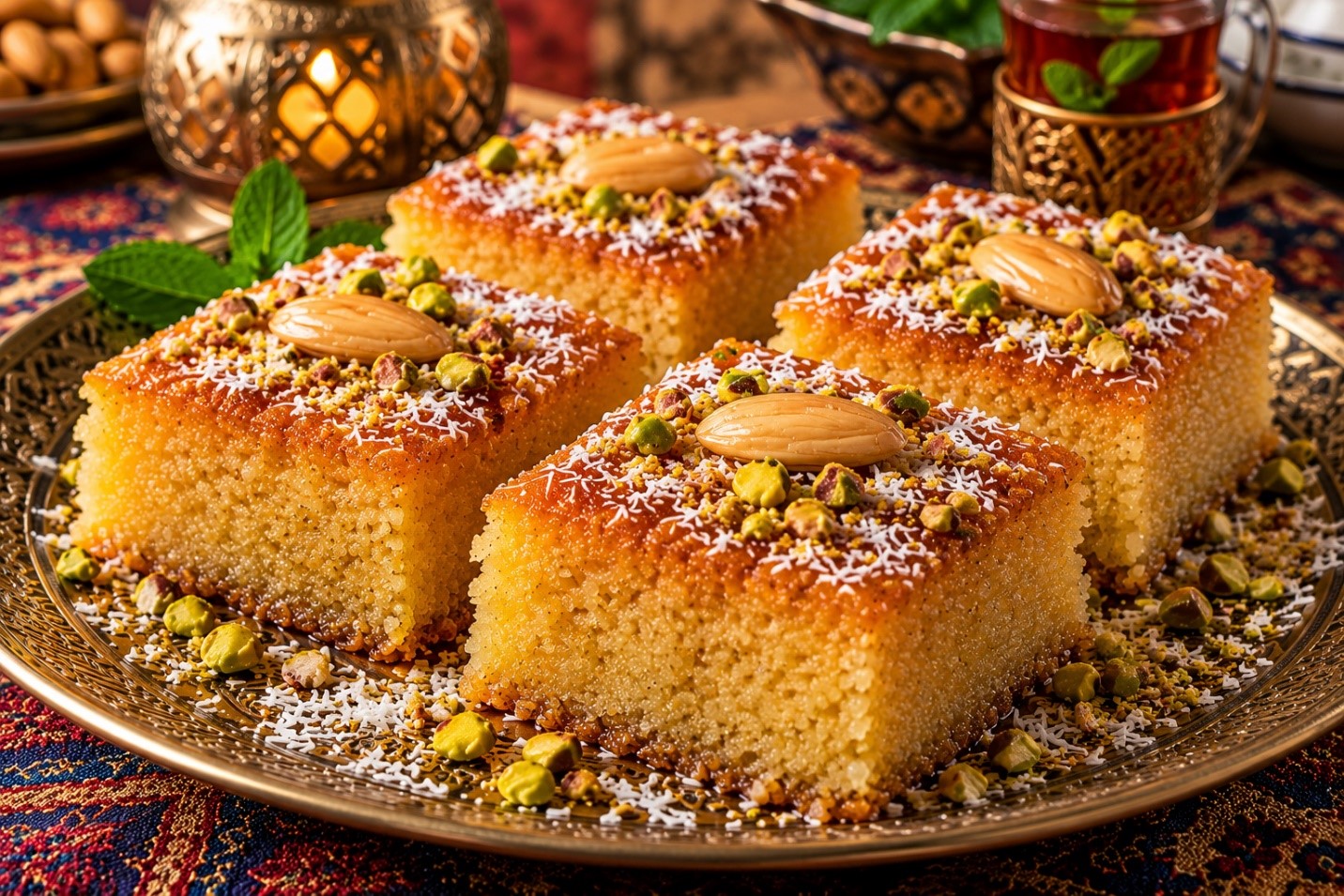
🍰 Basbousa
Egypt’s beloved syrup-soaked semolina cake
One comes from the bustling streets.
One gathers everyone around the dinner table.
And one gives us something sweet to enjoy with coffee or tea.
Tonight…
We’re traveling to Egypt.
No airport.
No suitcase.
No ticket required.
🇪🇬 This Week’s Arabic Phrase
Sahtain! — صحتين
A common expression connected with enjoying a meal, literally invoking “two healths.”
For our Global Kitchen table:
Enjoy your meal—and good health!
🎵 Music While You Cook
Create tonight’s atmosphere with:
Traditional Egyptian music
Arabic oud instrumentals
Egyptian café music
Contemporary Egyptian acoustic music
Soft Middle Eastern dinner instrumentals
Dim the lights a little.
Put some mint tea on.
And let dinner become part of the journey.
There are destinations you see.
And then there are destinations you seem to experience with every one of your senses.
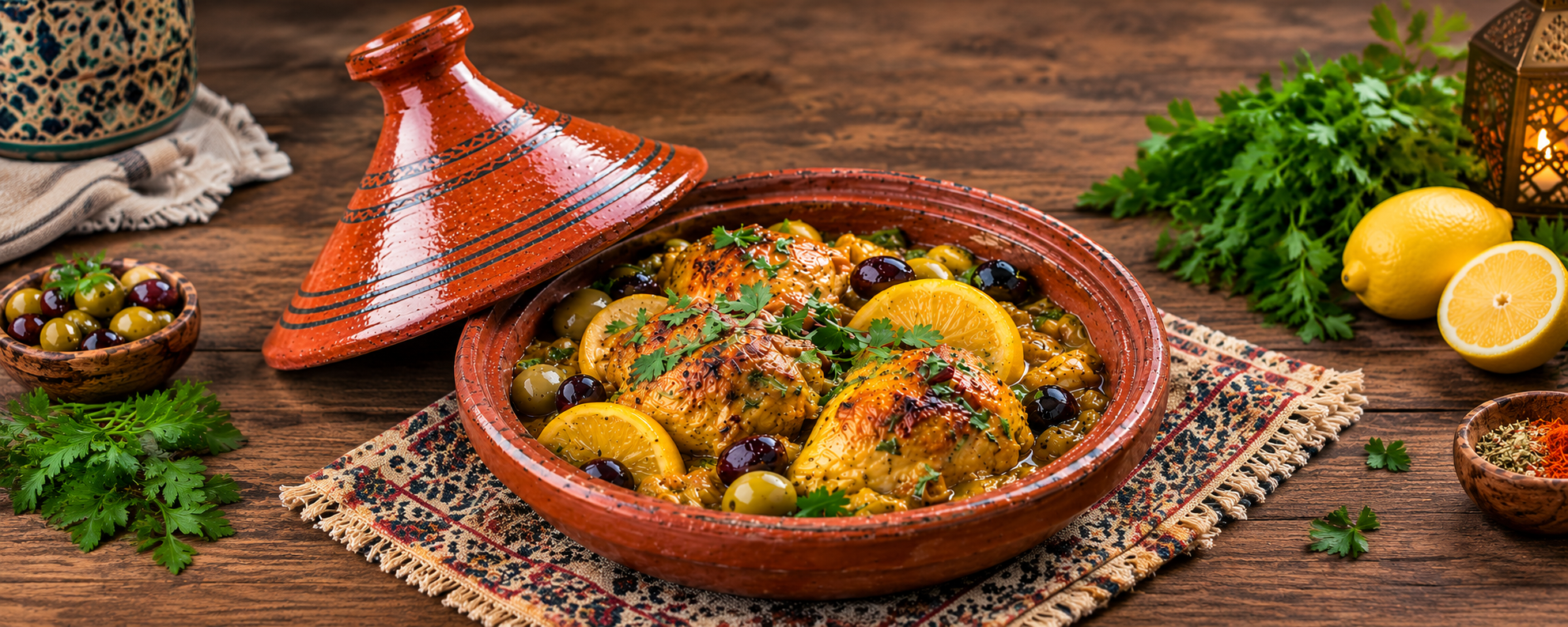
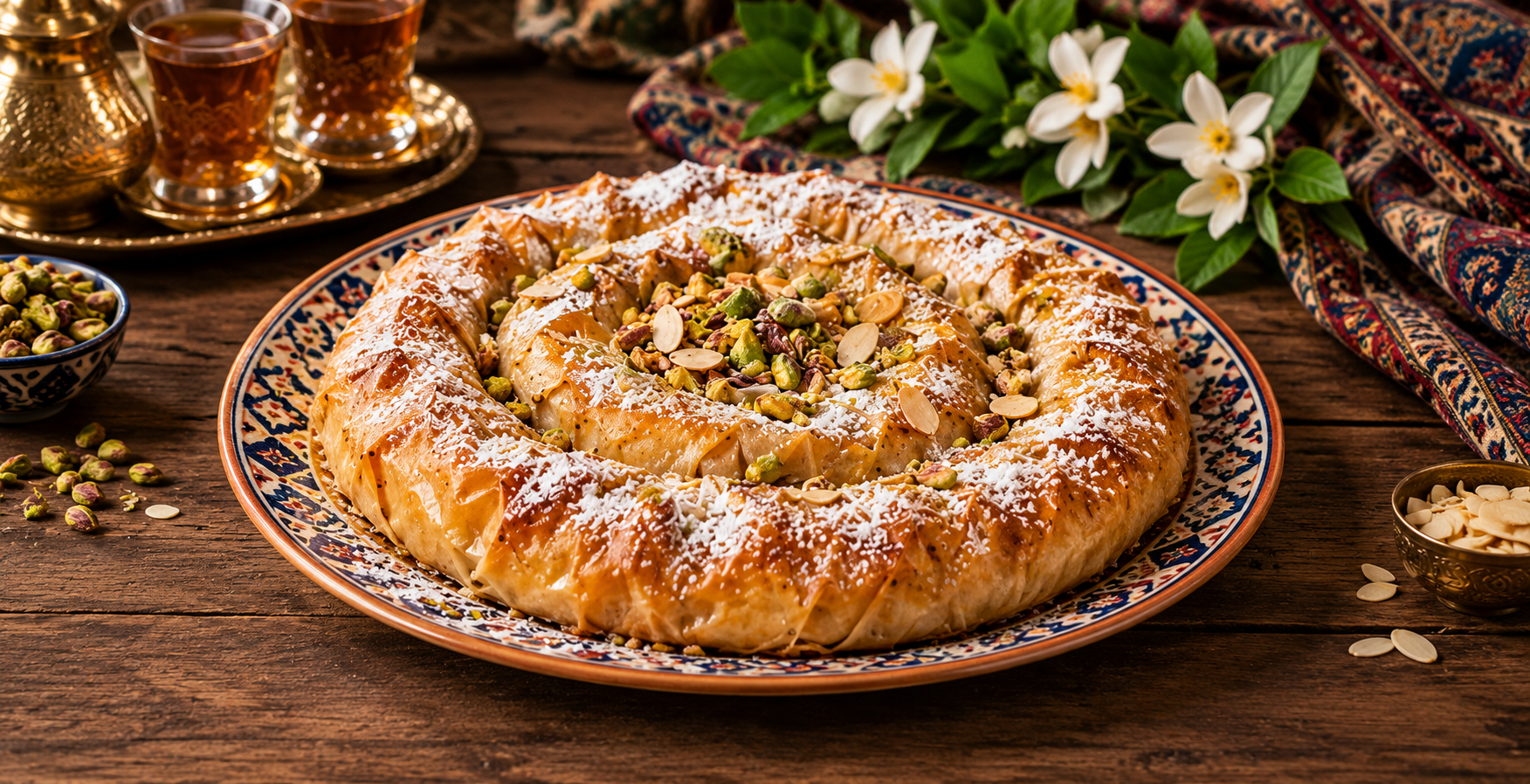
Morocco is one of those places.
Walk through a souk and the colors immediately surround you—handwoven rugs, painted ceramics, pyramids of spices, dates, olives, and baskets overflowing with produce.


Portugal is a country shaped by the sea.
For centuries, Portuguese sailors crossed oceans, encountered new cultures and returned home with ingredients and influences that helped shape one of Europe’s most distinctive cuisines.
Yet some of Portugal’s greatest foods remain remarkably uncomplicated.


Few countries have influenced the way the world thinks about food quite like France.
But French cuisine isn’t simply about elegant Paris restaurants, complicated sauces or white tablecloths.
At its heart, French cooking is deeply regional.
Travel through France and the landscape changes—and the table changes with it.
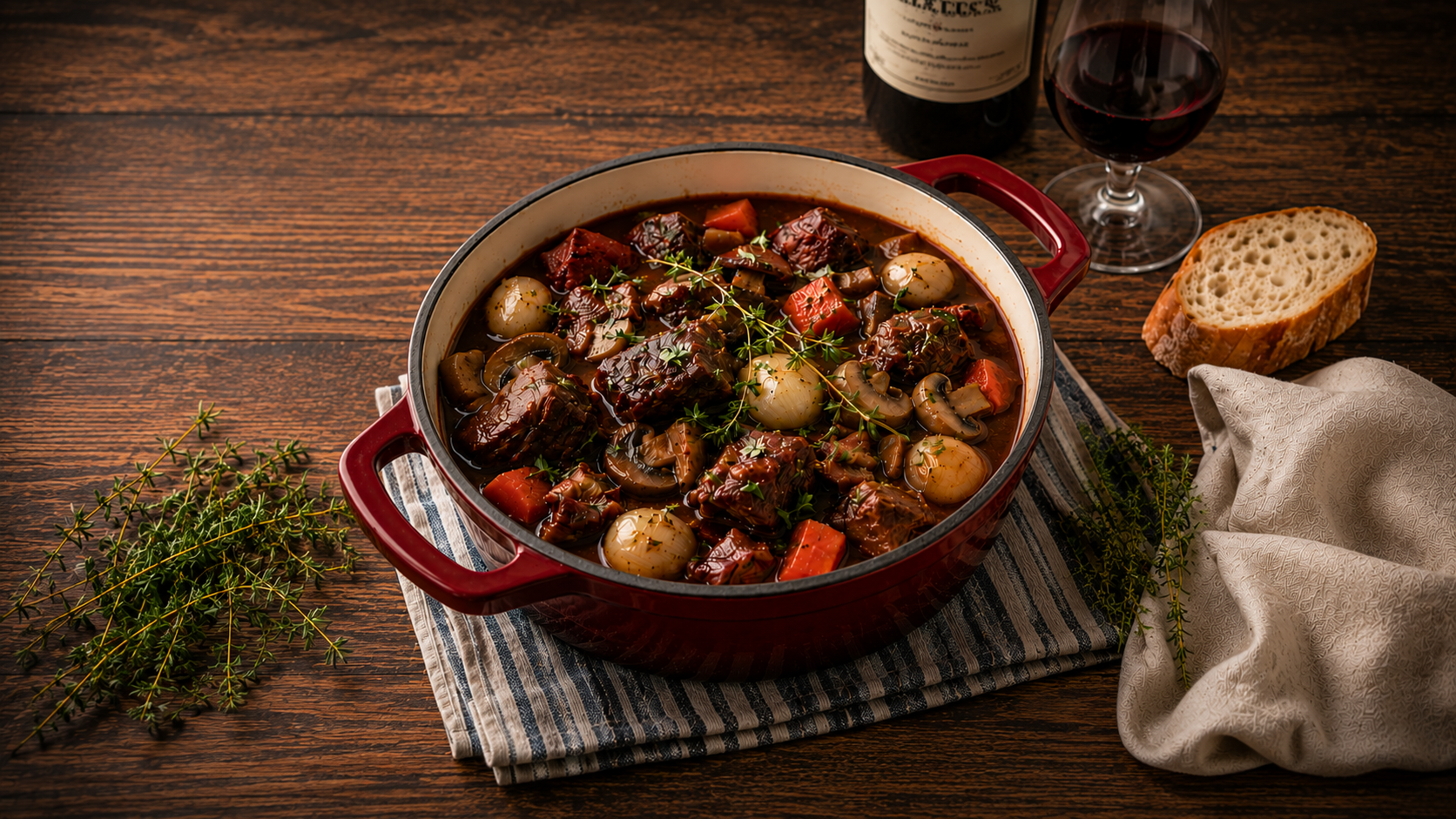
Burgundy gives us vineyards, mustard, Charolais beef and dishes slowly cooked with wine.
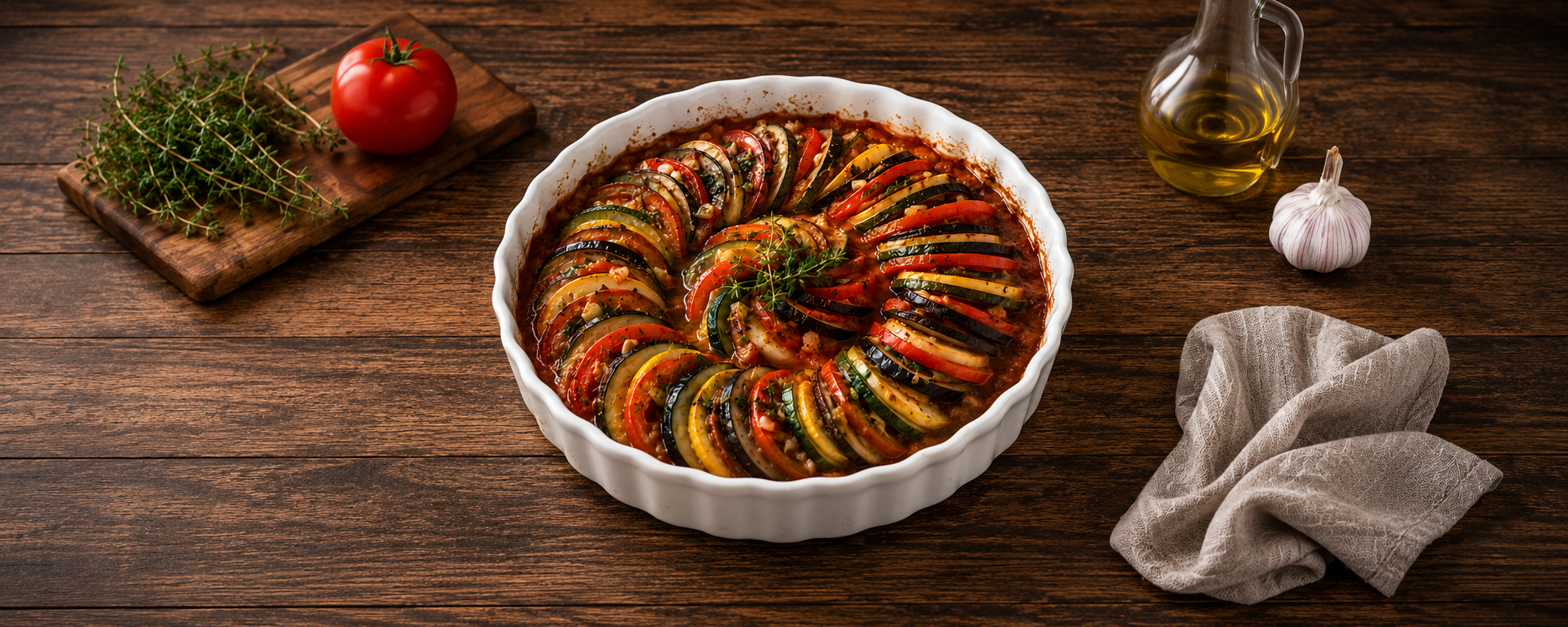
Provence brings sunshine to the table through tomatoes, eggplant, zucchini, garlic, olive oil and fragrant herbs.
Normandy celebrates cream, butter, apples, and seafood.
Brittany gives us oysters, crêpes, and buckwheat galettes.
Alsace reflects both French and German influences.


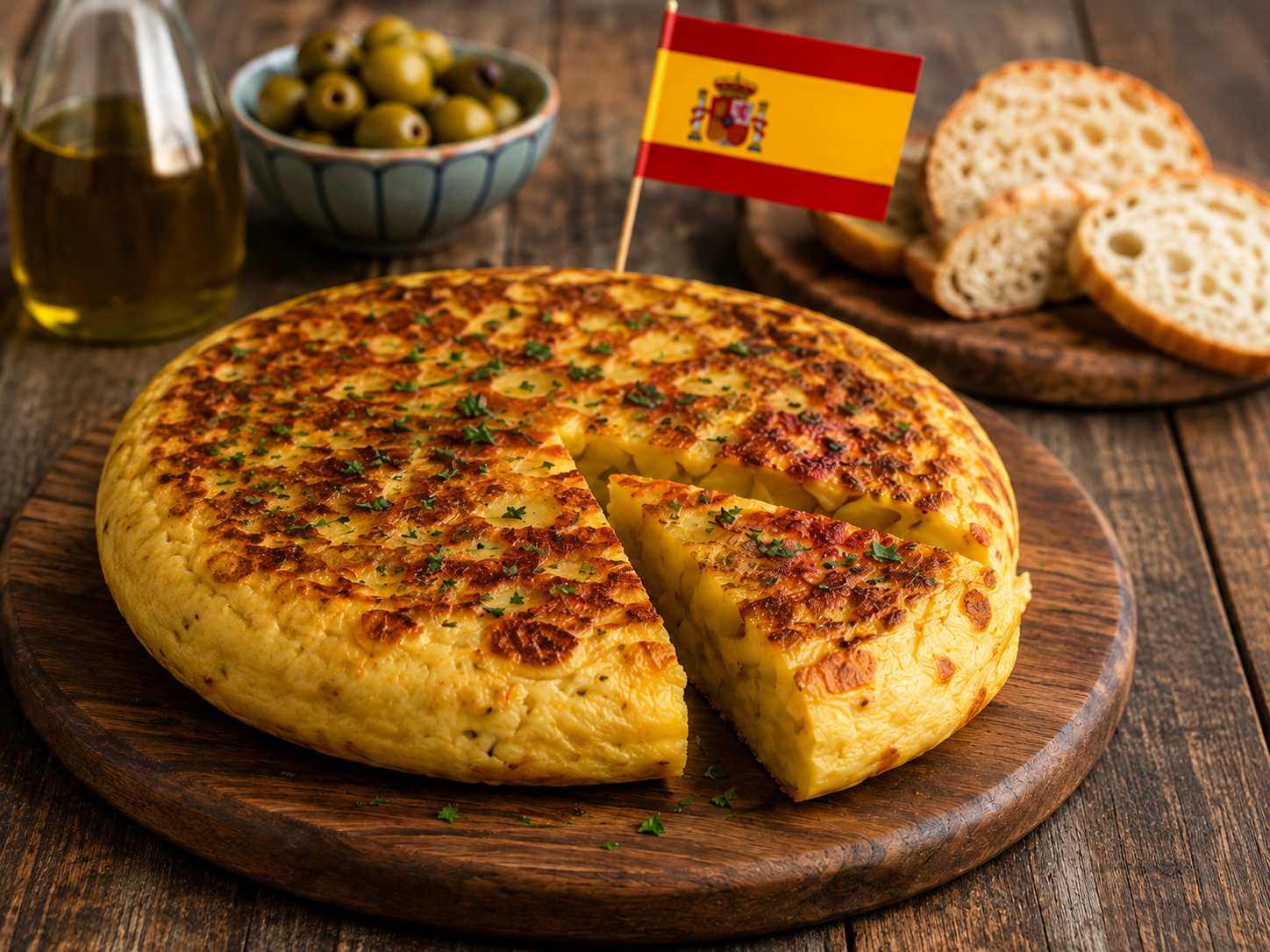
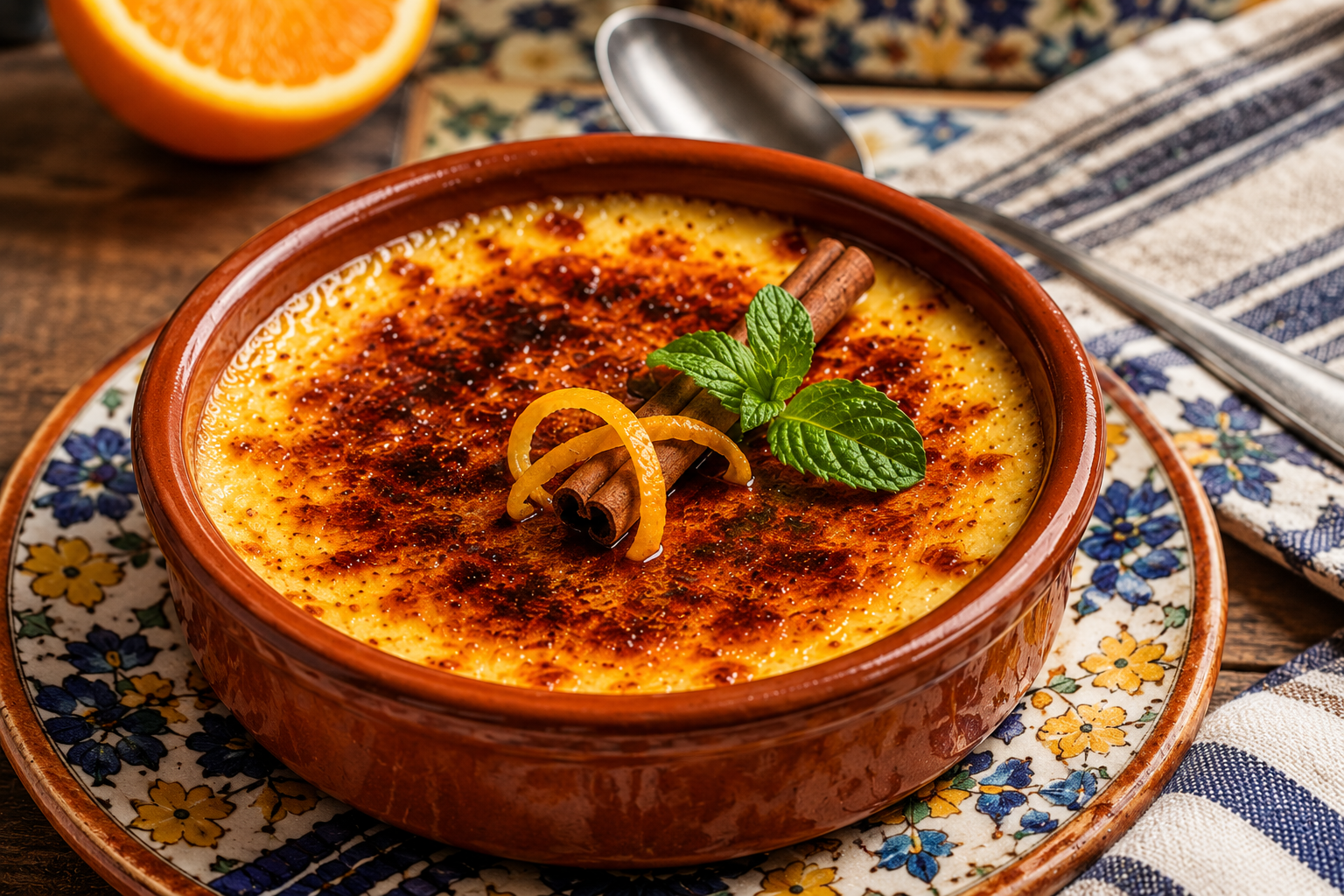
Spain is a country best discovered one region—and perhaps one table—at a time.
From the Mediterranean coastline of Valencia and Catalonia to the grand boulevards and neighborhood taverns of Madrid, food in Spain reflects geography, history, family and an enduring appreciation for gathering around the table.
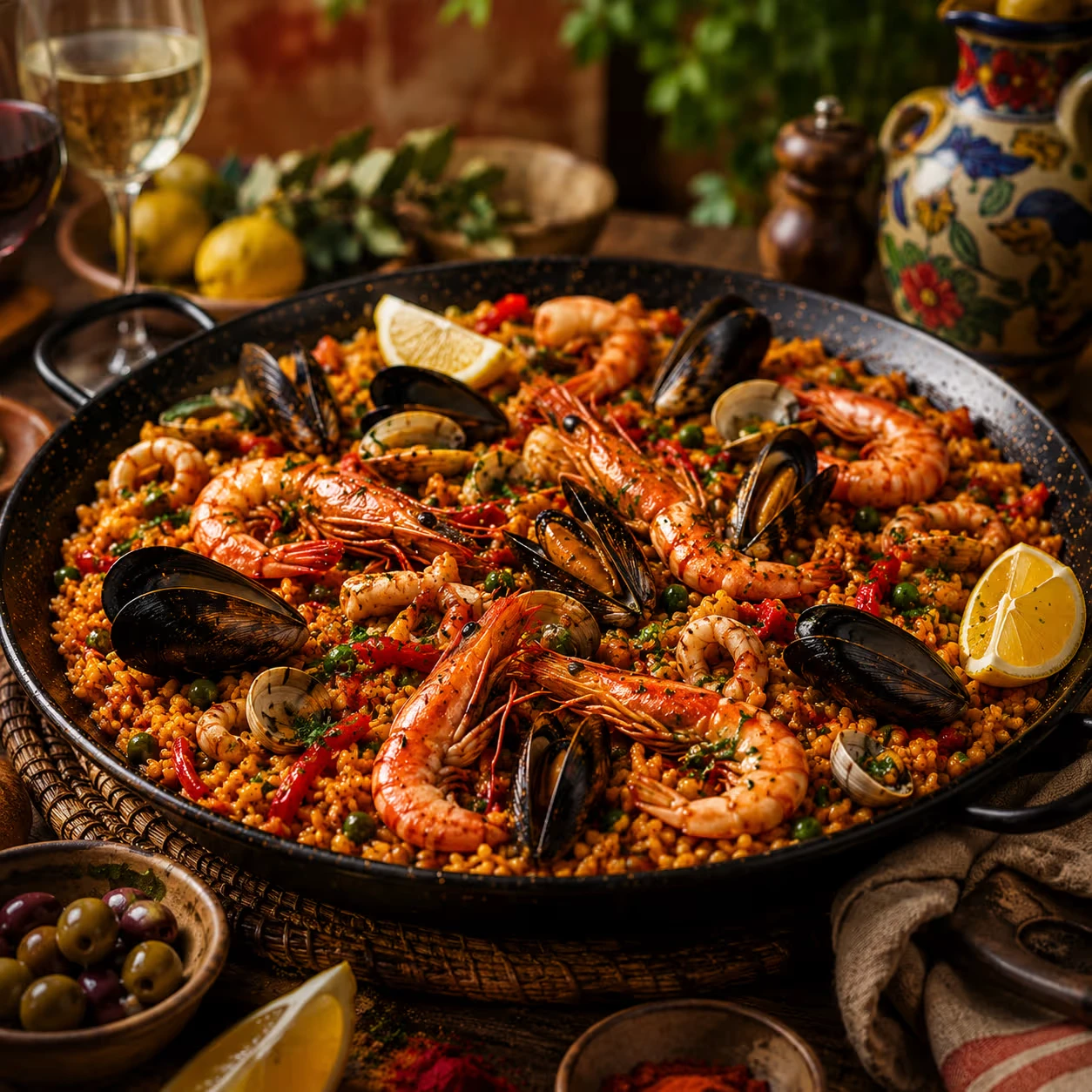
Spanish cooking often begins with remarkably simple ingredients: extra-virgin olive oil, garlic, tomatoes, saffron, smoked paprika, rice, potatoes, eggs, seafood, cured meats, regional cheeses, almonds and seasonal vegetables. Rather than disguising those ingredients, Spanish cooks have traditionally found ways to let them speak for themselves.
And then there is the Spanish table.


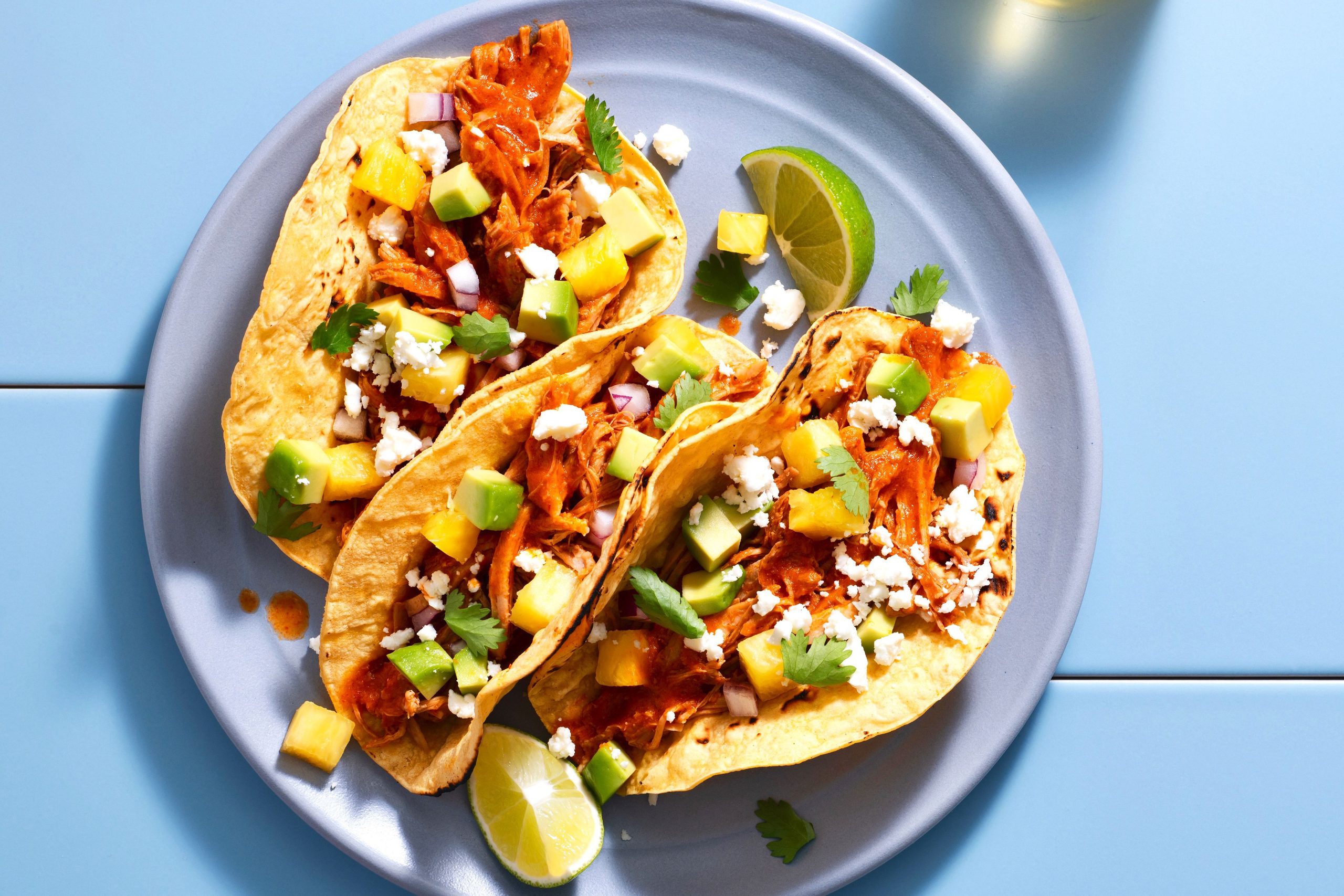
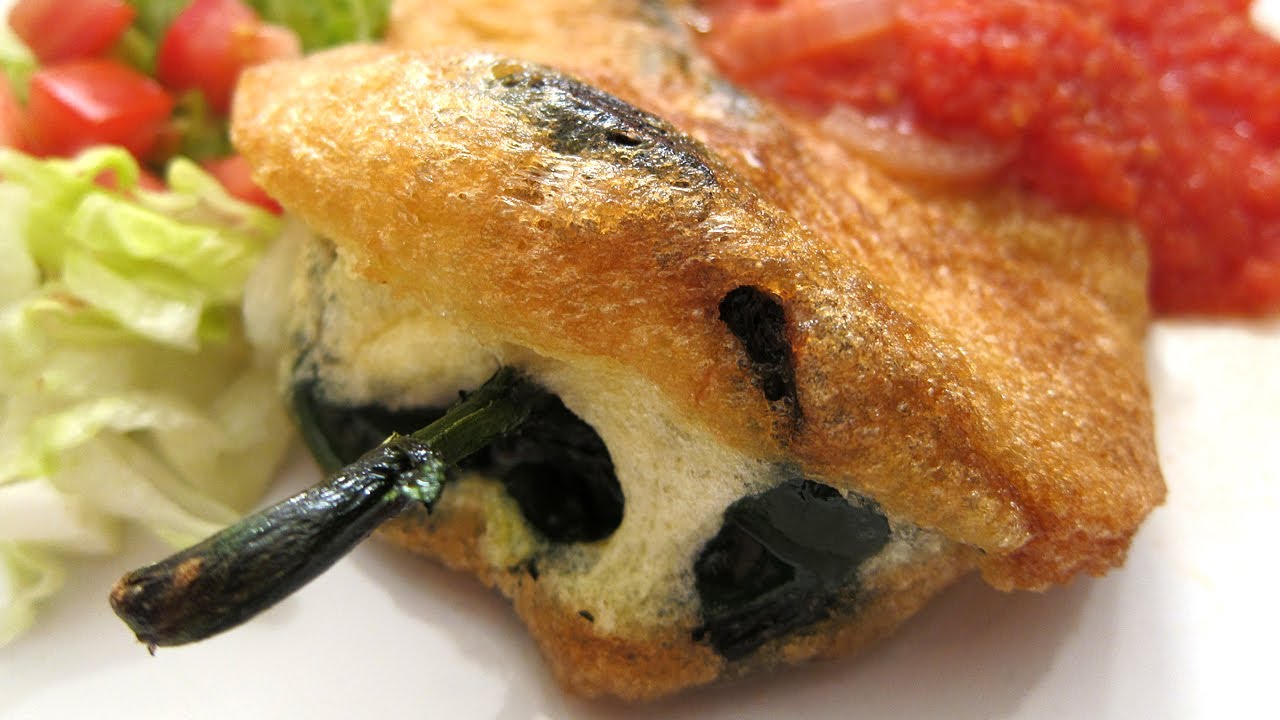
Mexico is a country of extraordinary color, history, hospitality, and flavor. Its cuisine is not defined by one dish or one style of cooking. It is a collection of regional traditions shaped by ancient civilizations, local ingredients, family recipes, geography, migration, and centuries of cultural exchange.
Long before Spanish influence reached the Americas, Indigenous communities were cultivating corn, beans, squash, tomatoes, avocados, cacao, vanilla, and many varieties of chiles. These ingredients remain at the heart of Mexican cooking today.
Few destinations capture the imagination quite like Greece.
It is a country where ancient ruins rise above modern cities, whitewashed villages cling to dramatic cliffs, and brilliant blue water stretches toward the horizon. Greece is known for its mythology, architecture, islands, faith, music, hospitality, and a culinary tradition shaped by thousands of years of history.
If there is one country where food is woven into everyday life, it is Italy.
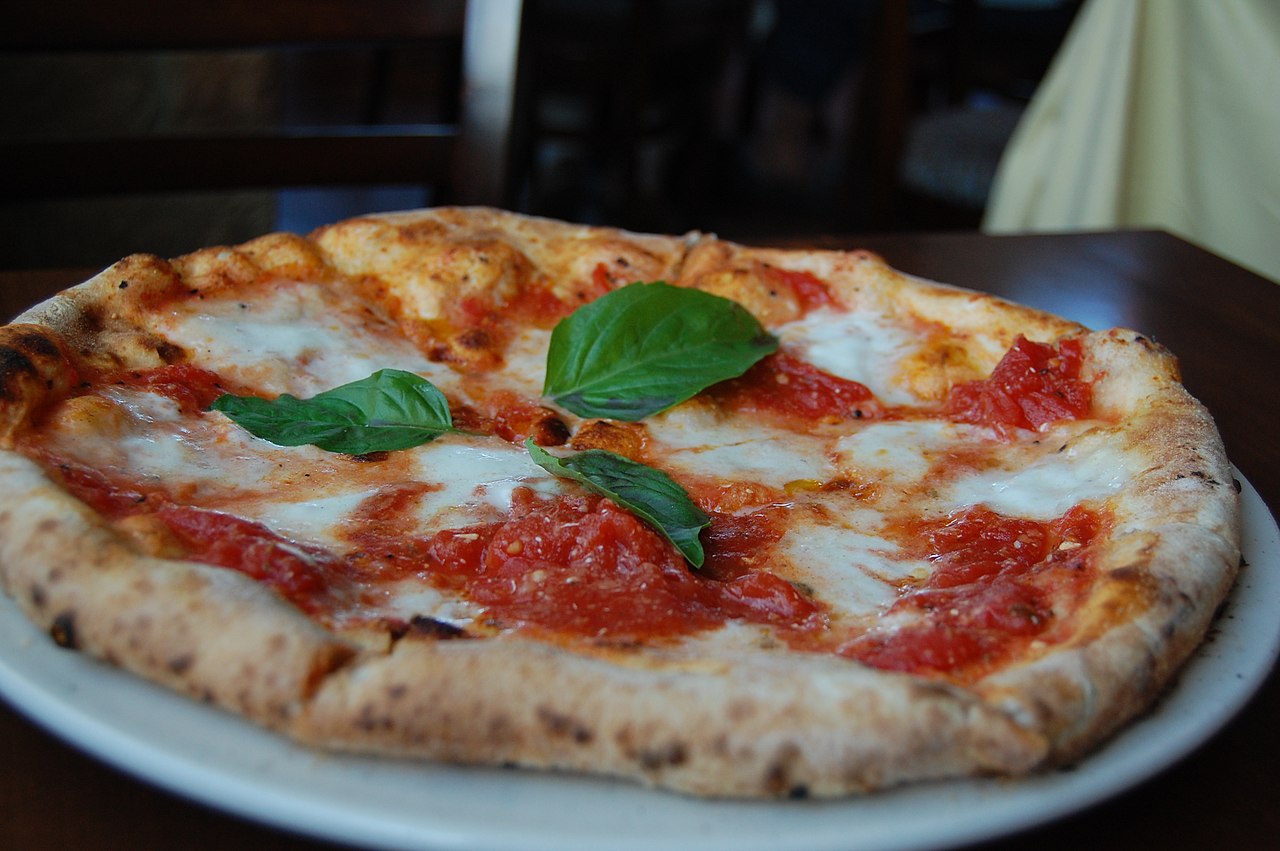
Meals aren’t simply something to eat—they’re a celebration of family, friendship, history, and tradition. From the bustling piazzas of Rome and the rolling vineyards of Tuscany to the seaside cafés of the Amalfi Coast and the famous pizzerias of Naples, every region offers flavors that have been perfected over centuries.
Wonder what Gregg has been cooking at home? “Visit “From Gregg’s Kitchen”, where garden ingredients, market finds and inspiration from around the world become original recipes created—and actually cooked—in Gregg’s own kitchen”.
In my kitchen, I will create “my own” unique recipe, the proper setting, beverage pairing, music, even occasion, all inspired by places I’ve visited and cuisine I’ve tried. Please, try them all and let me know what you think. Have a recipe you’ve created or enjoyed while travelling? Send it to me. I’ll cook it and if it is as good as you say it is, I’ll publish it and give you credit.